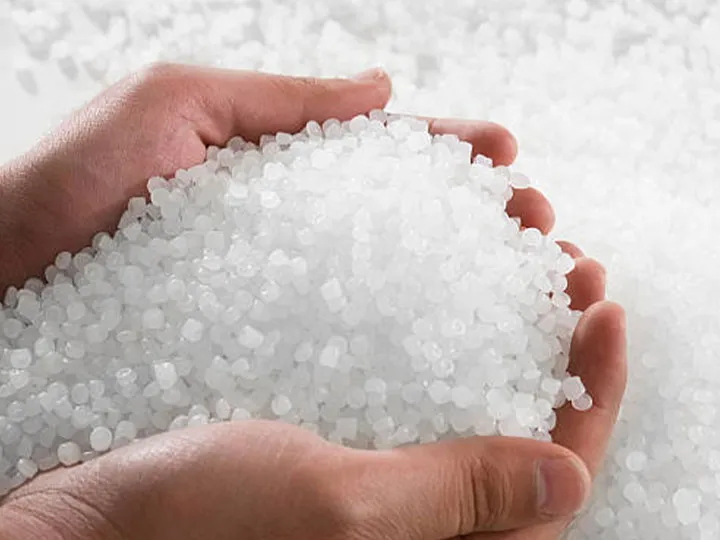
Agricultural Film Recycling: Challenges and Solutions
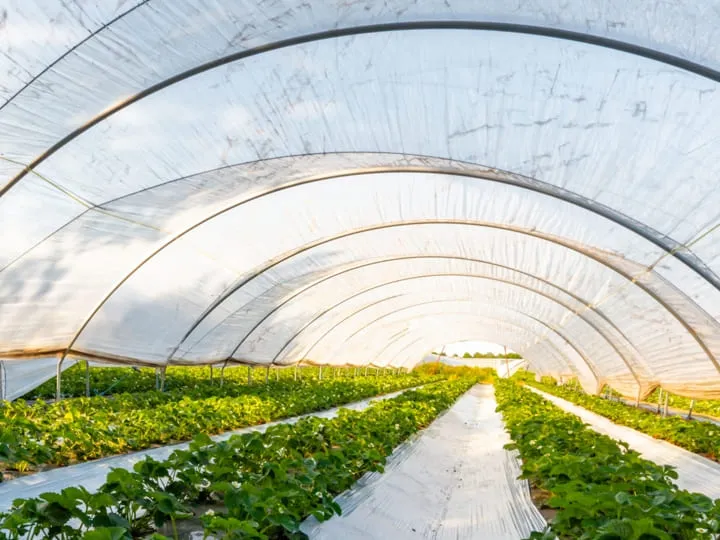
Agricultural films, such as mulch films and greenhouse films, are indispensable materials in modern agriculture. They effectively improve the growing environment for crops and increase agricultural yields.
However, improper disposal of waste agricultural films can lead to severe environmental pollution. Agricultural film recycling not only reduces environmental impact but also facilitates resource reuse, offering significant economic and ecological benefits. This article explores the challenges and methods.
Agricultural film is a type of plastic sheeting used in farming and horticulture to enhance crop productivity and protect plants. Made from materials like polyethylene (PE) or polypropylene (PP), these films serve various purposes, such as:
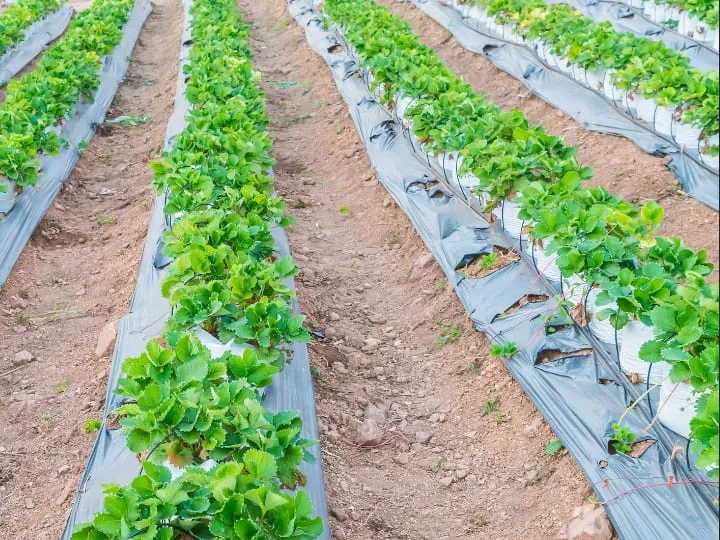
Agricultural films are often exposed to fields for long periods, accumulating dirt, pesticides, fertilizers, and other contaminants on their surfaces. These pollutants increase the difficulty of recycling and processing.
Agricultural films that have been used for extended periods tend to age and become brittle, especially when exposed to sunlight, rain, and high temperatures. These films may break into fragments, further complicating collection and cleanup.
Different materials are used in agricultural films, such as PE and EVA. Mixed materials require sorting during recycling, which adds to the complexity and cost of the process.
In many regions, comprehensive recycling systems for agricultural films have not yet been established. Farmers may lack awareness of recycling practices, leading to waste films being scattered across fields, making centralized collection more challenging.
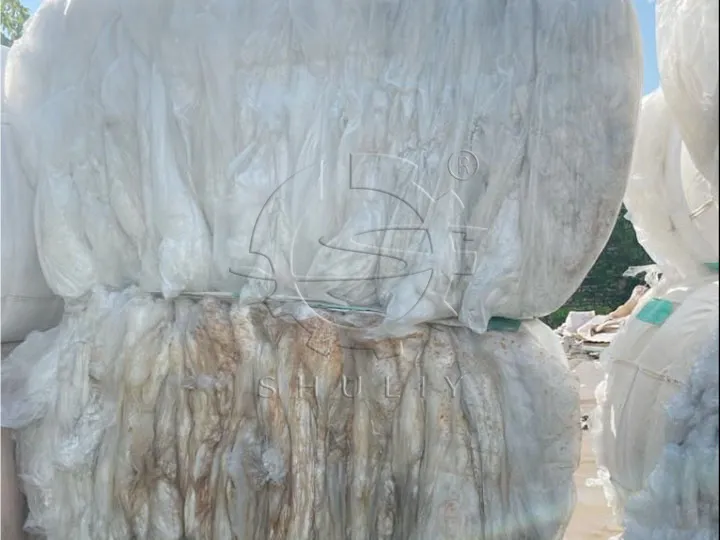
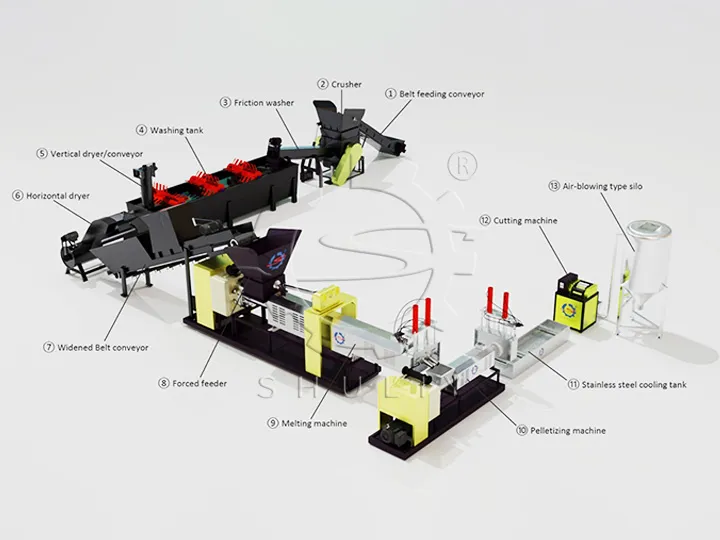
Agricultural film recycling reduces plastic waste left in fields, preventing soil pollution and ecological damage. It also mitigates the negative environmental impact of burning or landfilling plastic waste.
Recycled agricultural films can be processed into high-value plastic raw materials, reducing production costs and providing economic benefits for farmers and recycling companies.
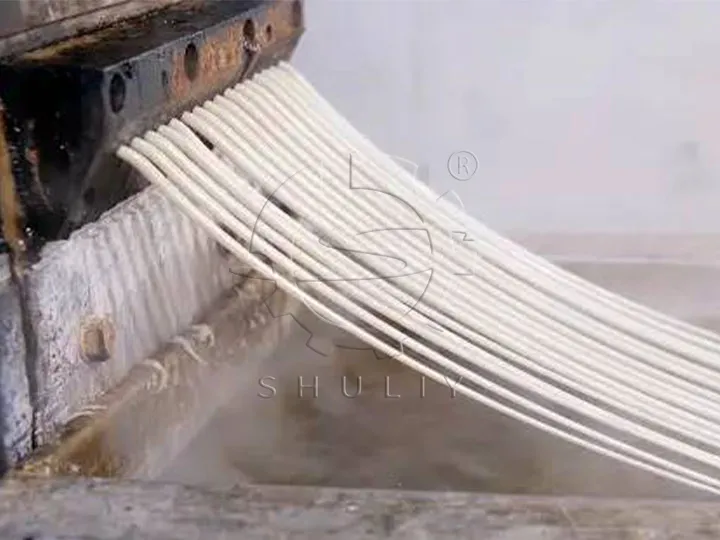
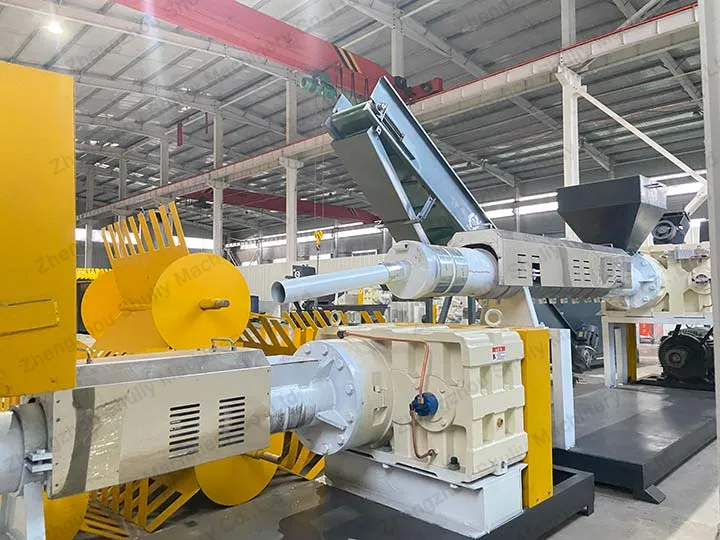
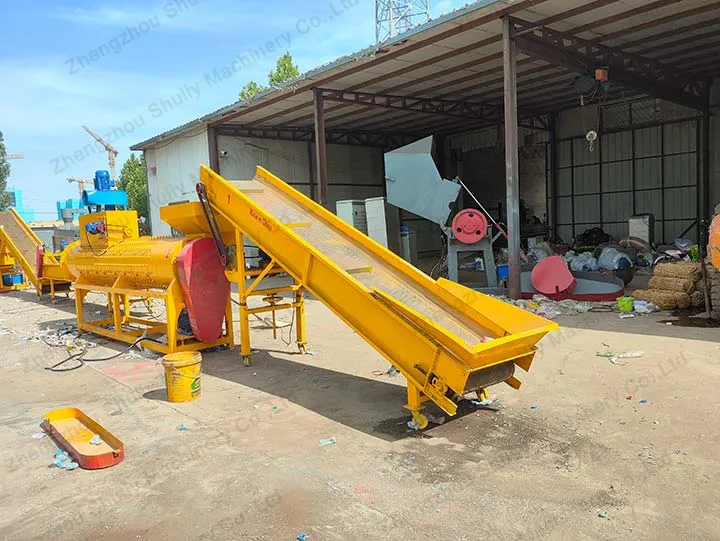
In summary, agricultural films are difficult to recycle, but they can be effectively recycled using the correct granulation method.