Complex Process Behind PET Bottle Recycling
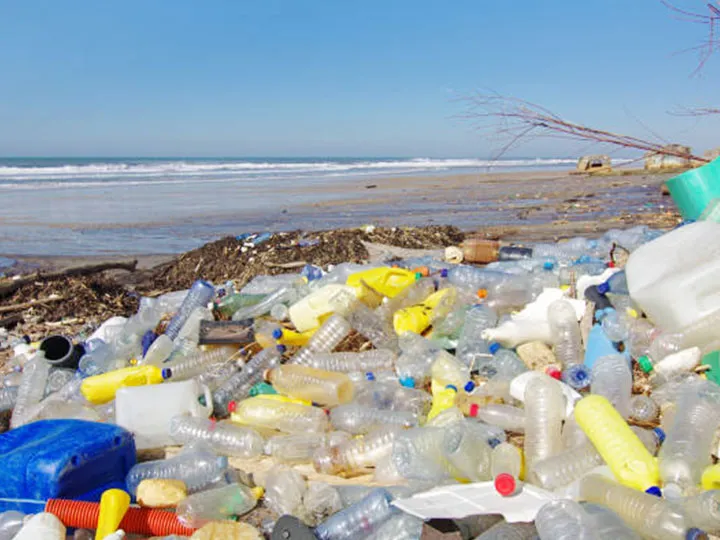
PET bottles, or polyethylene terephthalate bottles, are widely used to package beverages, food and other goods. However, once these bottles are used up, they usually become part of the environmental problem. To address this issue, PET bottle recycling has become an important environmental activity that helps to reduce the accumulation of plastic waste and alleviate the pressure on the environment.
PET bottle recycling is the process of re-collecting, washing and treating discarded PET bottles, which are then used to make new PET bottles or other plastic products. The core objective of this process is to reduce the negative environmental impact of discarded plastic bottles, including reducing landfill and marine pollution. PET flake recycling not only helps conserve natural resources but also saves energy and reduces carbon emissions.
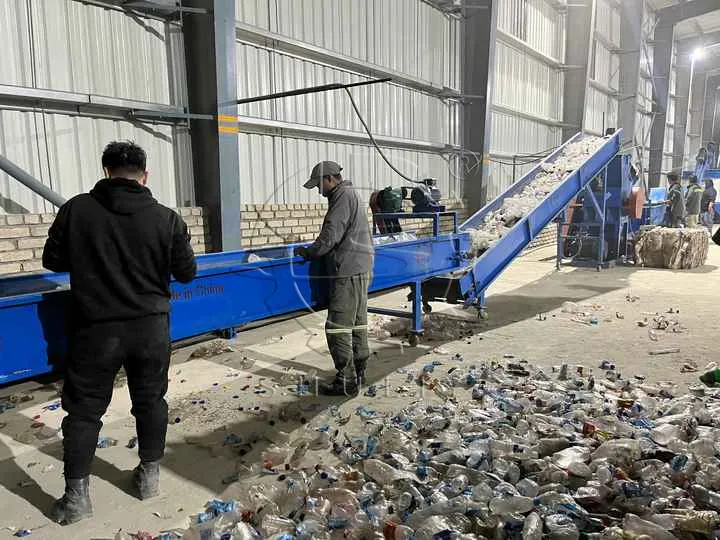
The first step in plastic bottle recycling line is collection. Discarded PET bottles must be collected from consumers, businesses and other sources. This is usually done through recycling bins, recycling vehicles and recycling stations. An effective collection system is critical to the success of the recycling process.
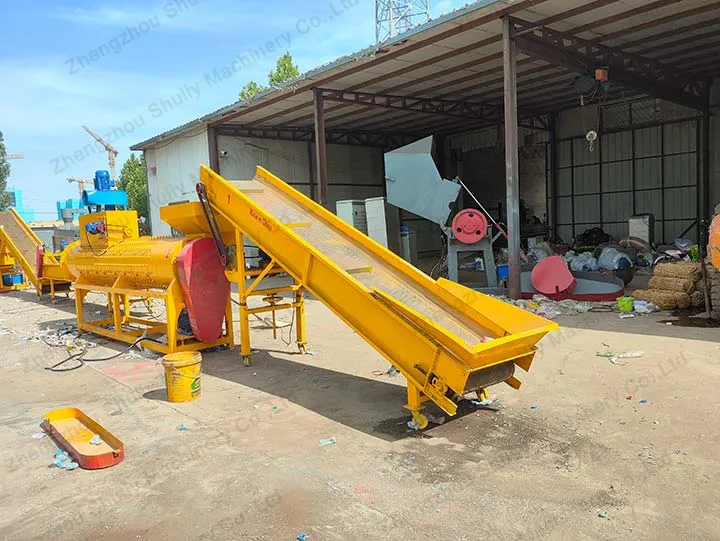
Collected PET bottles need to be de-labeled in plastic label removing machine . This means removing the labels from the bottles for subsequent processing. These de-labelled bottles are sent to the next step.
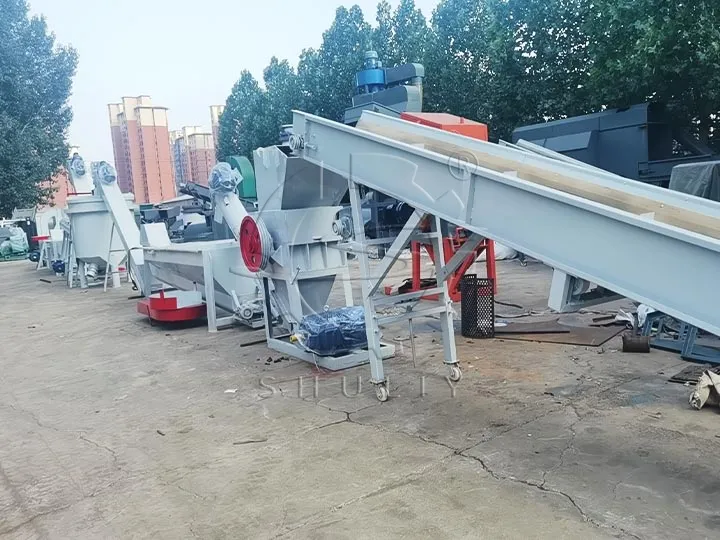
In the crushing stage, the de-labeled PET bottles are fed into plastic shredder machine that chops them into pieces. This helps to reduce the size, facilitates subsequent processing and provides a larger surface area for the bottles to be cleaned.
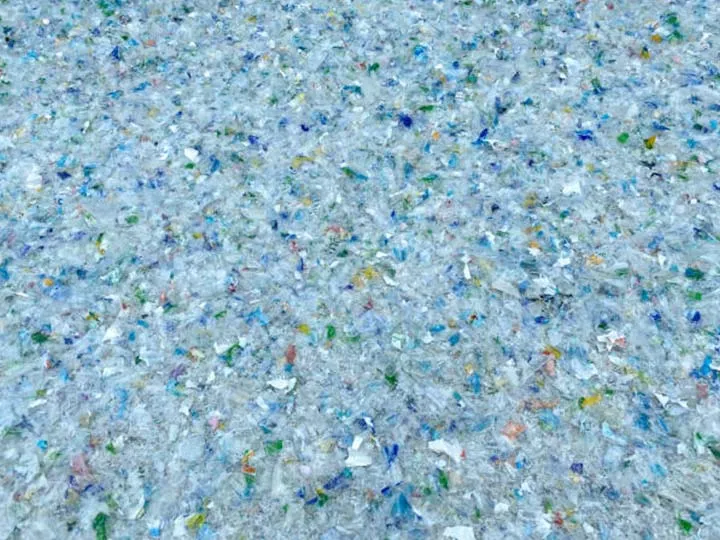
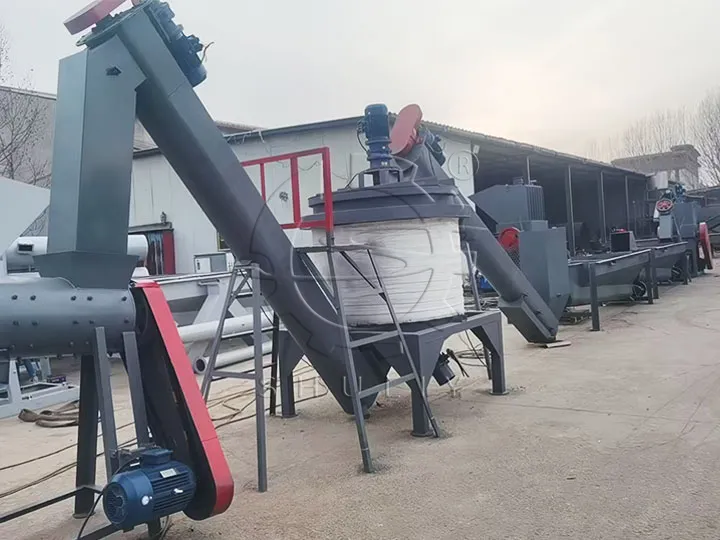
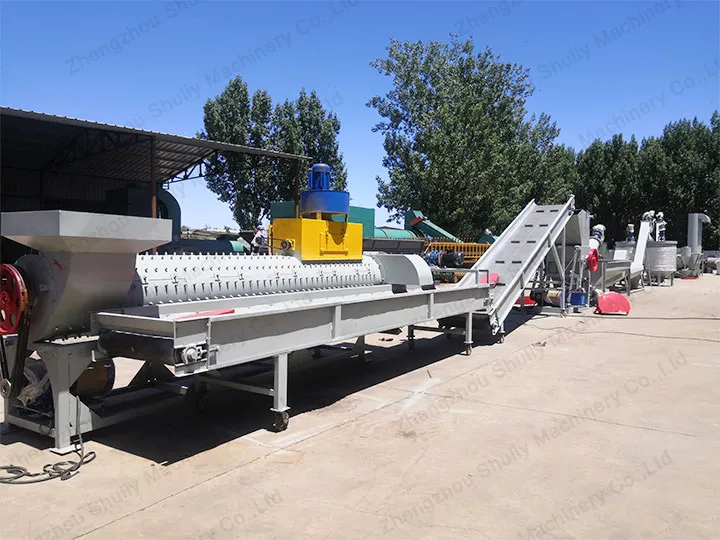
After crushing, PET bottles need to be thoroughly cleaned. This step is critical because clean PET bottles reduce contamination during subsequent processing. Washing usually involves removing residual food, grease and other impurities. After washing, the PET bottles are ready to move on to the next step.
Finally, washed PET bottles need to be dried to ensure they have no moisture residue. Wet PET bottles can lead to processing problems and reduced quality, so drying is an essential step.
Currently, PET bottle recycling has made remarkable progress globally but still faces some challenges. Below are the current status and prospects of PET bottle recycling:
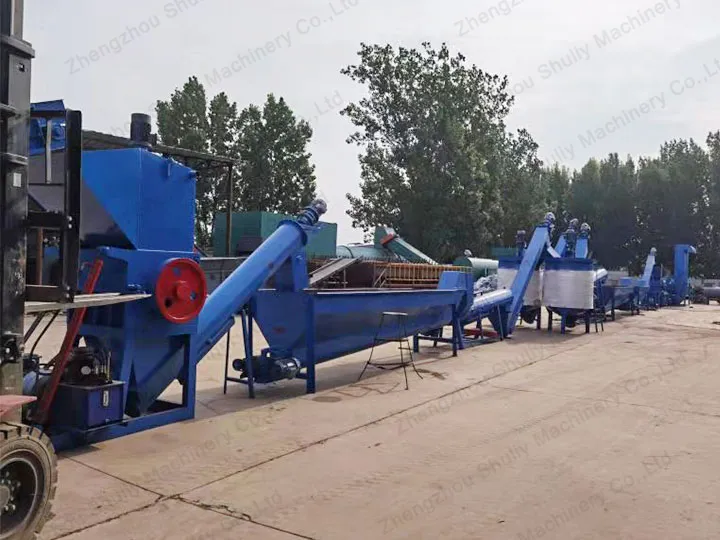
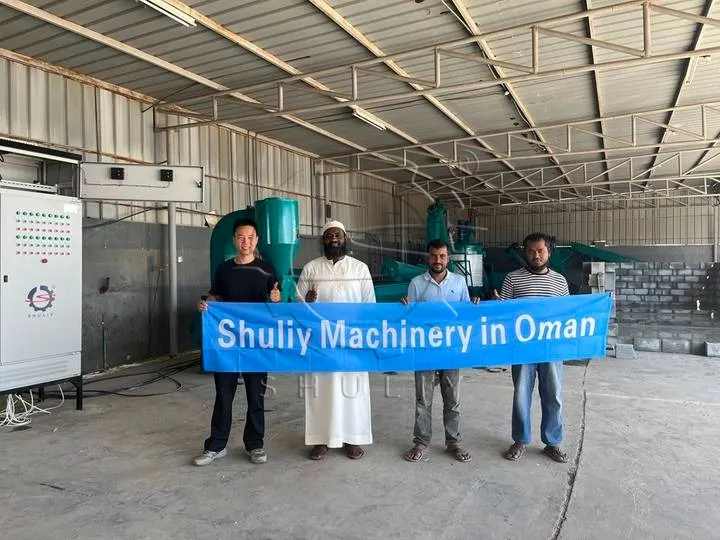
Through a series of processes such as collection, de-labeling, crushing, washing and drying, PET bottles can be effectively recycled and reused. If you would like to know more about PET bottle recycling, please visit our website or contact us directly to find out more. We also welcome you to come to Shuliy for a site visit to the PET bottle recycling plant.