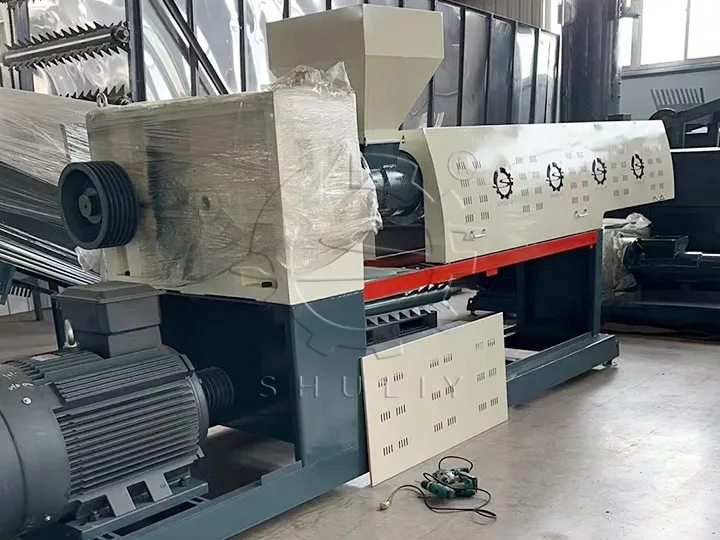
How to Clean Plastic Extruder Machine Screw Correctly?
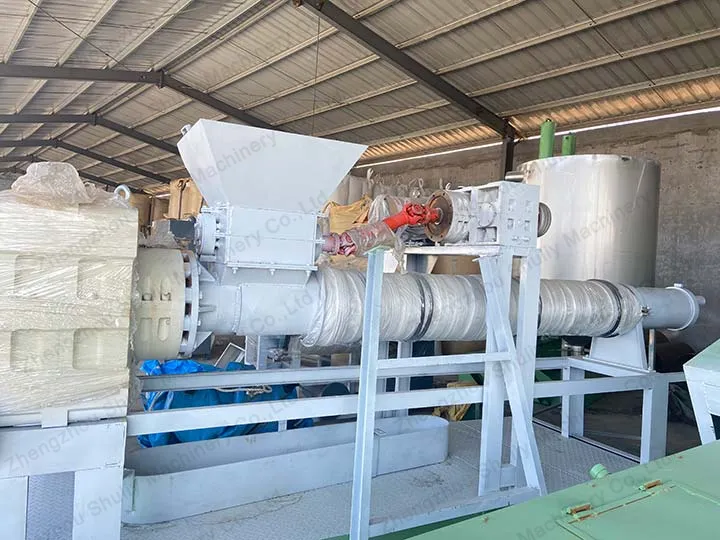
Plastic extruder machine plays a vital role in the field of modern plastics processing, and the screw is one of the key components, its cleaning and maintenance are particularly important. The correct screw cleaning method can not only extend the service life of the equipment but also ensure production quality and efficiency. In this article, we will introduce how to correctly clean the plastic extruder machine screw to ensure the stable operation of the equipment and the quality of plastic processing.
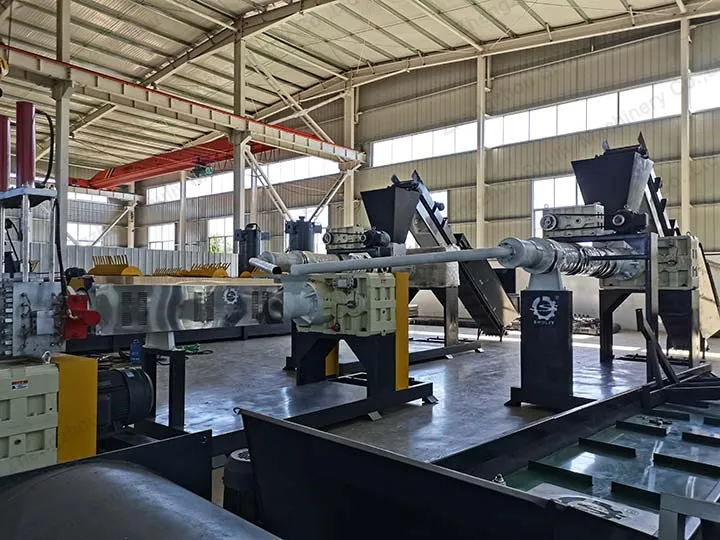
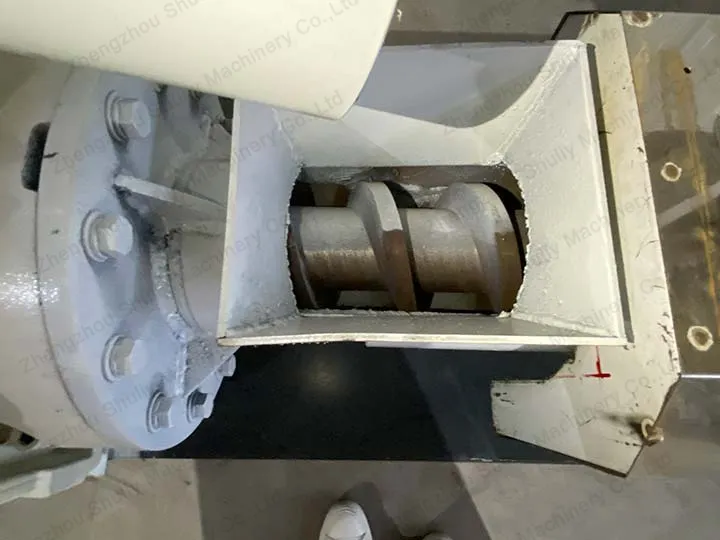
The screw is a key component of a plastic extruder machine, which directly affects the quality of the plastic processed and the output. Over time, plastic residues, particles and other dirt accumulate on the surface of the screw, which can lead to unstable processing, reduced quality and even equipment failure. Regular cleaning of the screw can maintain the smoothness and cleanliness of its surface and ensure the efficient work of the plastic granulator.
Before cleaning the plastic extruder machine screw, you need to prepare the following tools:
Always shut down the plastic extruder machine completely and disconnect the power supply before cleaning. Also, make sure that all safety precautions have been taken to avoid any accidents. Safety is always the primary consideration.
Depending on the model and construction of the plastic pelletizer machine, removing the screw may require some technical knowledge and tools. Carefully disassemble the screw and related parts according to the operating manual provided by the manufacturer. Ensure that each step is recorded so that it can be operated accurately during reassembly.
Clean the surface of the screw gently using appropriate cleaning agents and tools. Sharp tools are not recommended to avoid scratching the surface. Depending on the severity of the plastic residue, multiple cleanings may be required. Make sure that the cleaning agent does not damage the screw material.
Cleaning the outside of the screw is equally important, but do not neglect the inside of the screw. Using appropriate tools and methods, carefully remove any residue that may have adhered to the screw groove. This will prevent future contamination and clogging to ensure process quality.