PP PE Granule Extruder's Working Principle and 6 Features
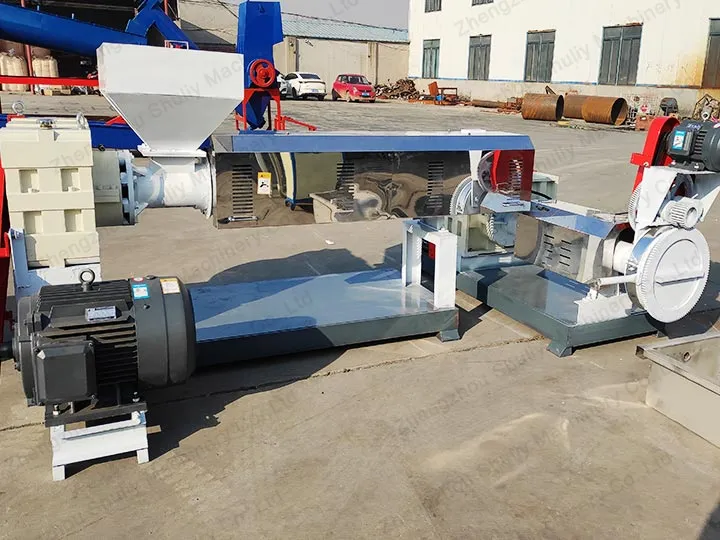
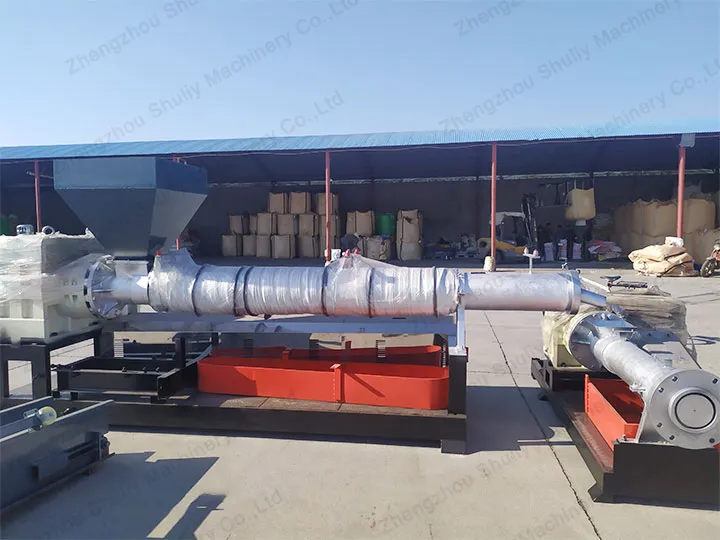
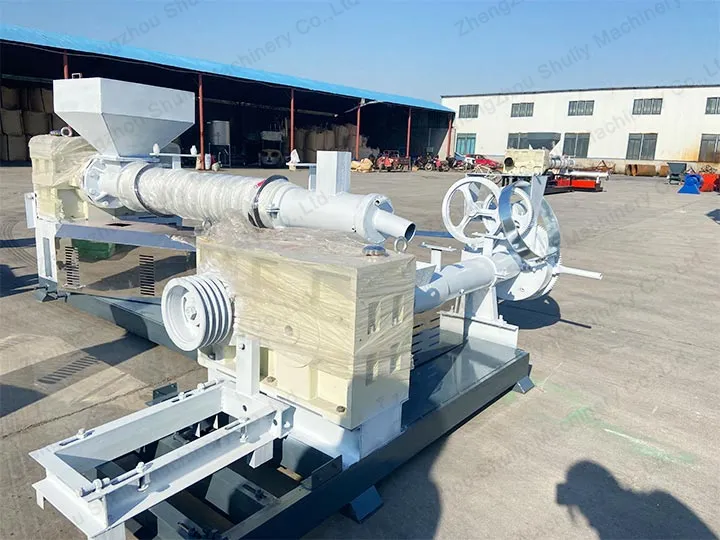
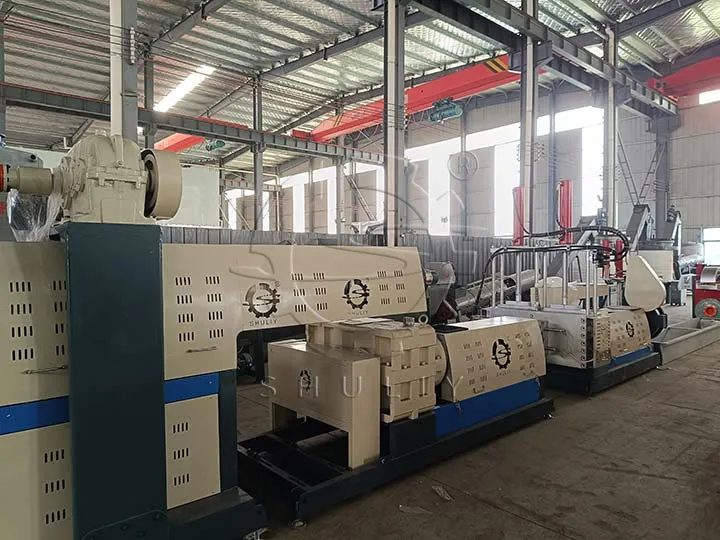
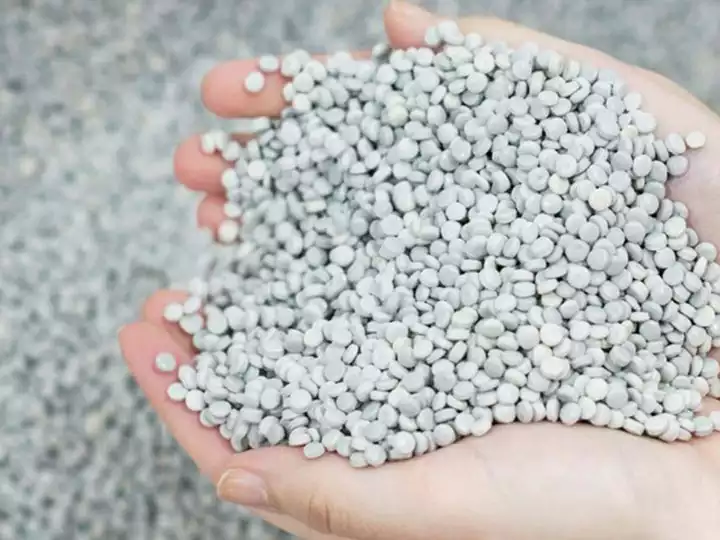
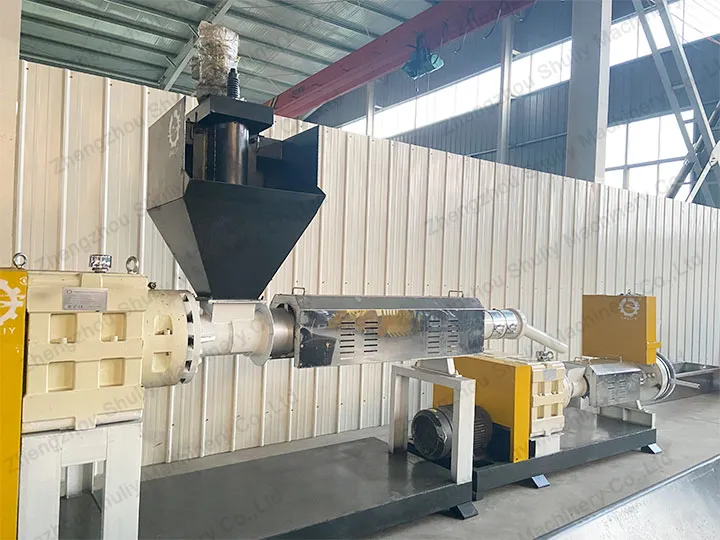
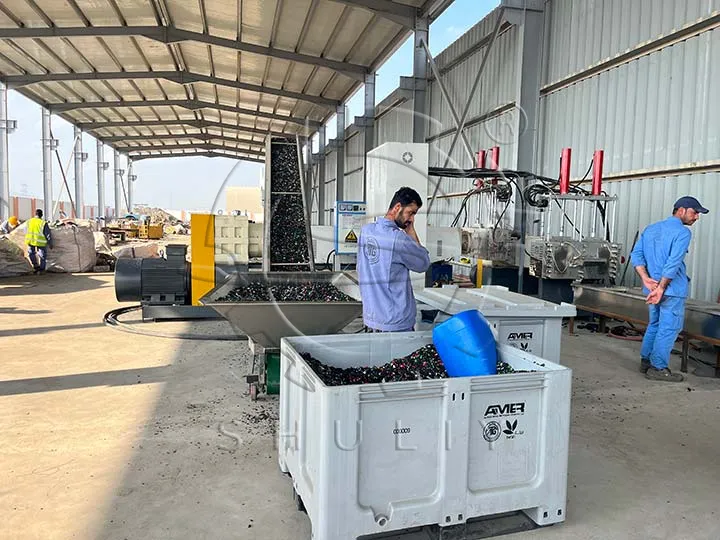
PP PE granule extruder adopts a special screw design and different configurations, which is suitable for producing PP, PE, and other kinds of plastic recycling and color-mixing granulation.
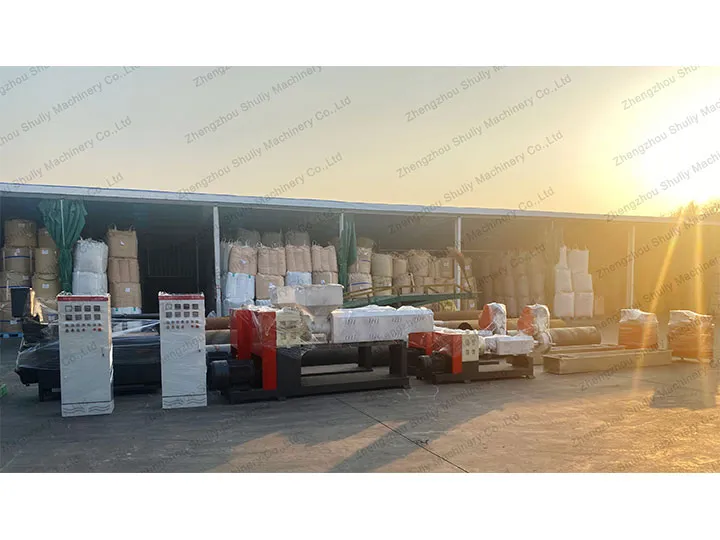
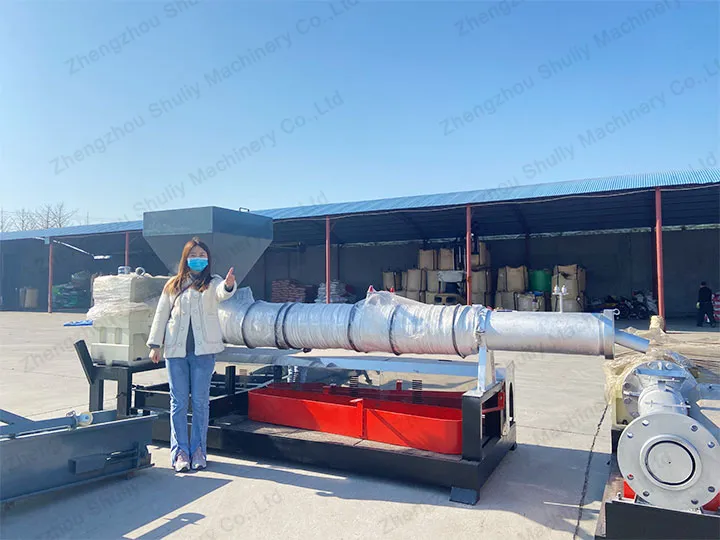
After the plastic is added to the hopper of the PP PE granule extruder, it falls smoothly from the hopper to the screw and is bitten by the screw thread. As the screw rotates, it is forced by the threads to advance towards the machine head, constituting a mechanical conveying process.
When the plastic runs towards the machine head from the feeding port, the thread depth of the screw gradually decreases. Also due to the presence of screens, manifolds, and heat resistance, very high pressure is formed in the plasticizing process, which presses the material very densely, improves its heat transfer, and helps the plastic to melt very quickly. At the same time, the gradually increasing pressure so that the original existence of the gas between the material from the exhaust holes.
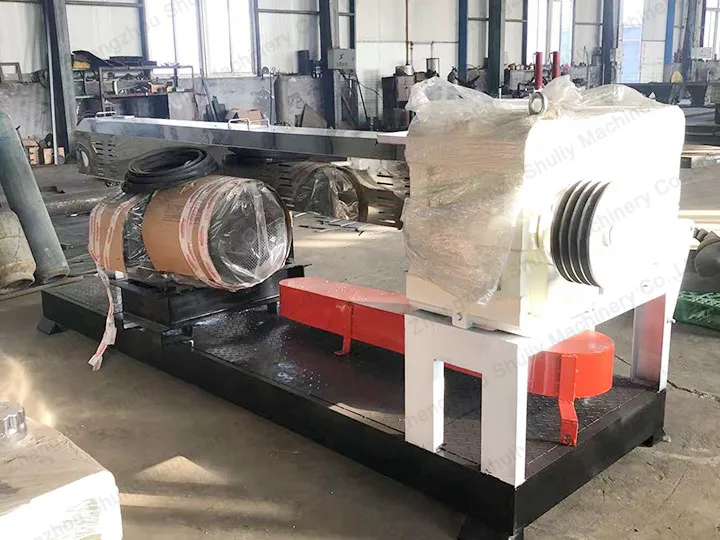
At the same time as the pressure rises, the plastic is externally heated on the one hand. On the other hand, the plastic itself in the process of compression, shear, and stirring movement, due to internal friction also produces a lot of heat.
Under the combined effect of external and internal forces, the temperature of the plastic gradually rises and reaches the melting point and begins to melt. With the transport of materials, continuing to heat, the amount of molten material gradually increased, while the corresponding decrease in the recording of non-molten material.
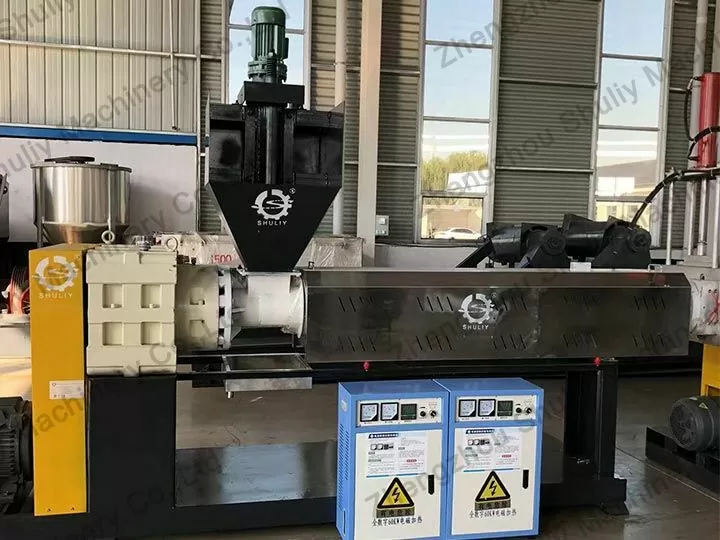
At the end of the compression section, all materials are transformed into a viscous flow state. But then the temperature of each point is not yet uniform after the homogenization section of the homogenizing effect is more uniform. After the screw will melt the material quantitatively, fixed pressure and fixed temperature are in the head.
The die head is a molding part, through which the material obtains the geometry and size of the cross-section. As the diameter of the material gradually becomes smaller, the flow is accelerated towards the discharge end and finally passes through the mold holes into the cooling water tank in a stripped state to be cooled and shaped.
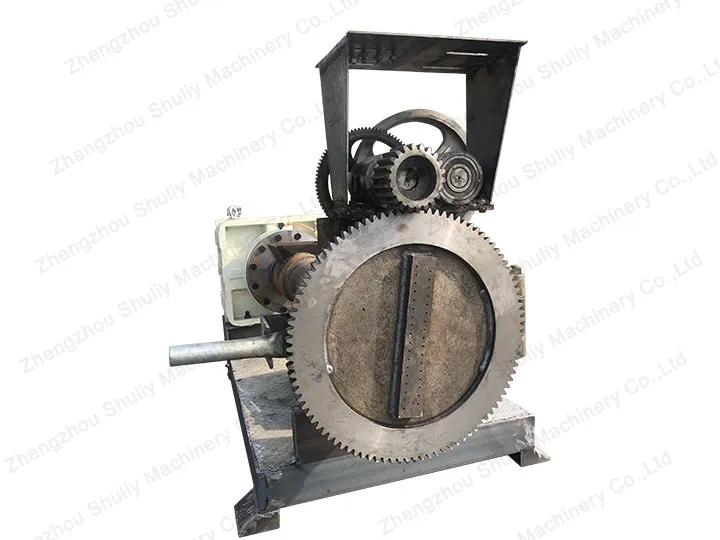
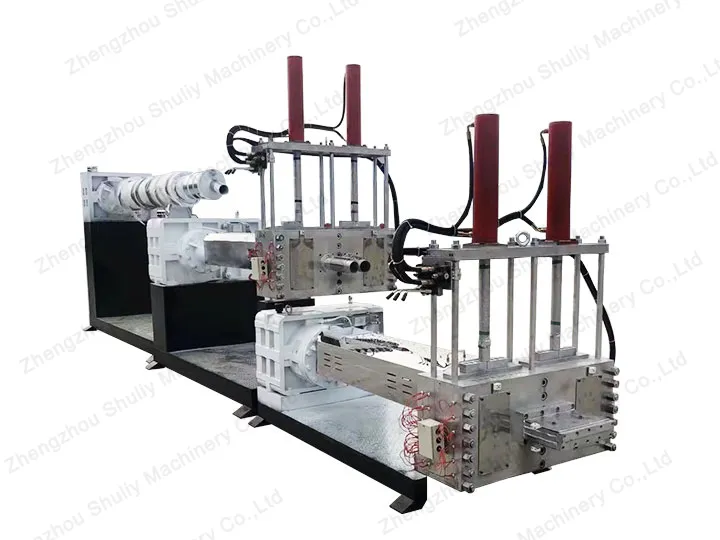
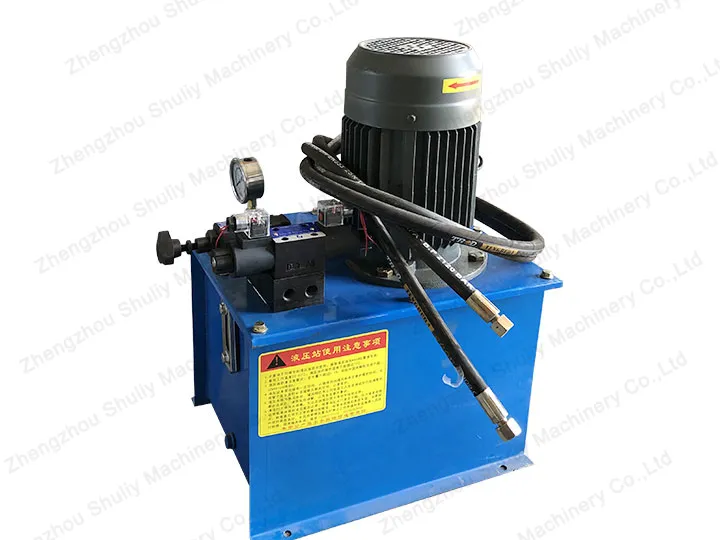
Finally, it is nipped by the traction roller of the plastic cutter machine and is synchronously fed into the knife chamber of the plastic cutter machine, where the high-speed rotating cutter cuts the plastic strip into small particles, thus completing the whole granulation process.