How Do Tyre Recycling Machines Solve Waste Tire Disposal Problems?
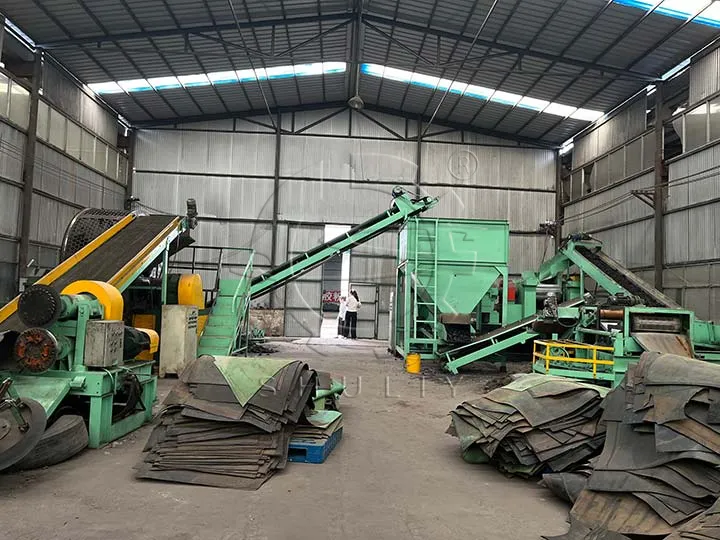
With the continuous growth of vehicle ownership, the number of waste tires is increasing every year. Due to their large size and non-biodegradable nature, improper disposal of tires can lead to serious environmental pollution and even fire hazards. More and more businesses are turning to tyre recycling machines to build professional recycling plants and convert waste tires into high-value rubber powder, achieving both environmental protection and profitable returns.
This article focuses on the key concerns customers face in tire recycling and explains how we provide efficient, stable, and sustainable solutions.
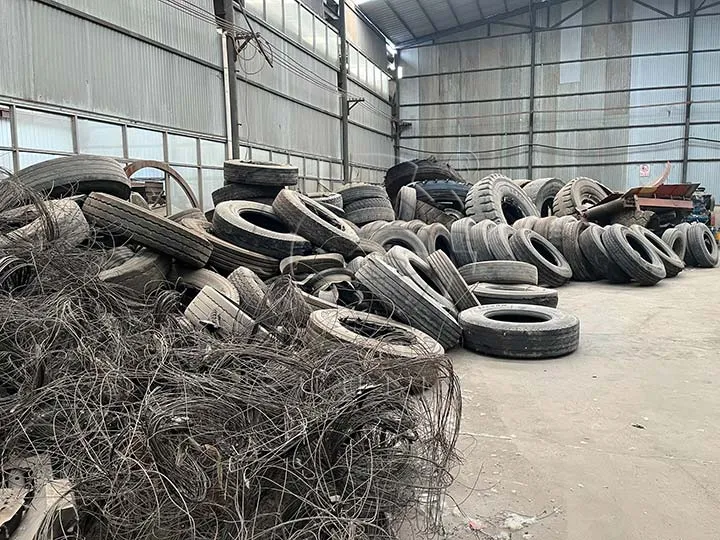
Tires contain steel wires and fiber layers. Their high elasticity and toughness make them difficult to crush directly.
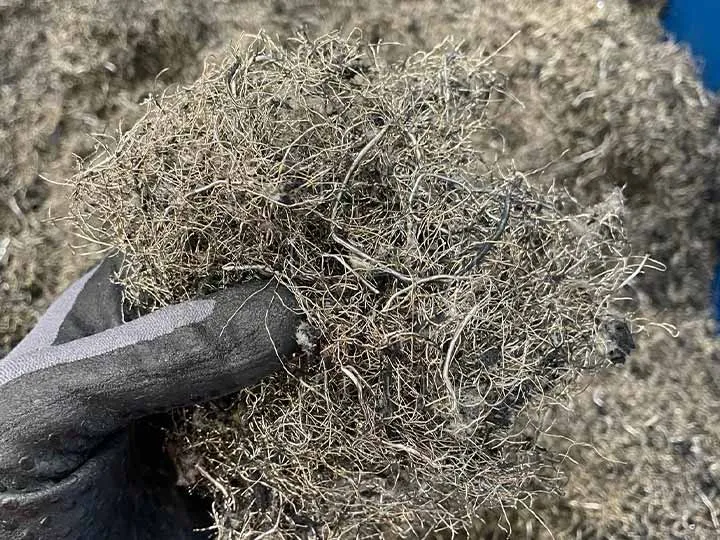
If steel wires are not thoroughly separated, the purity of rubber powder will be affected, reducing its market value.
Different applications require different rubber powder sizes, such as rubber floor tiles, athletic tracks, and modified asphalt. Each market has specific requirements for particle size and purity.
If the production line does not match the raw material size or target output, it may result in high energy consumption, low efficiency, and increased maintenance costs, ultimately affecting ROI.
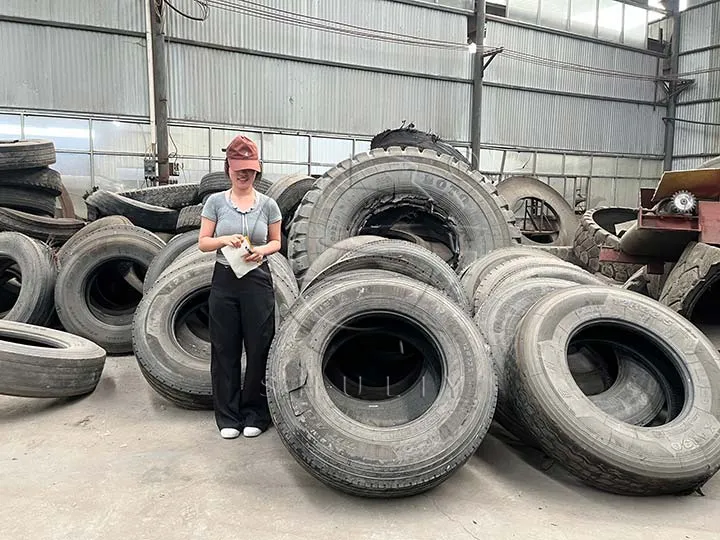
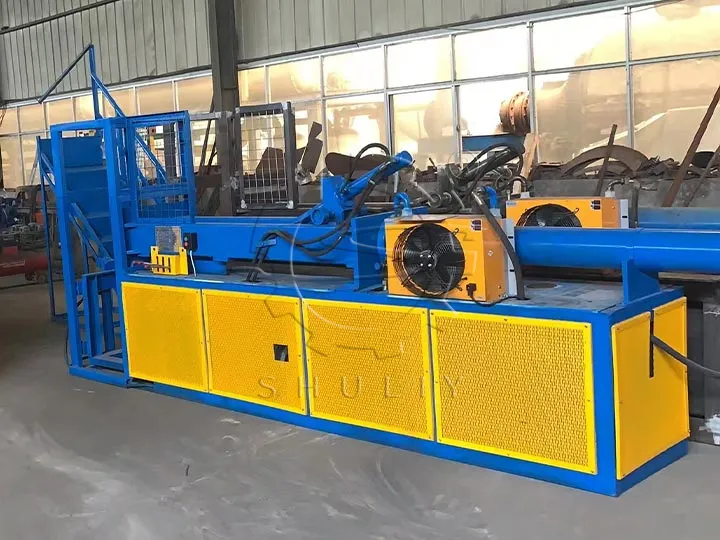
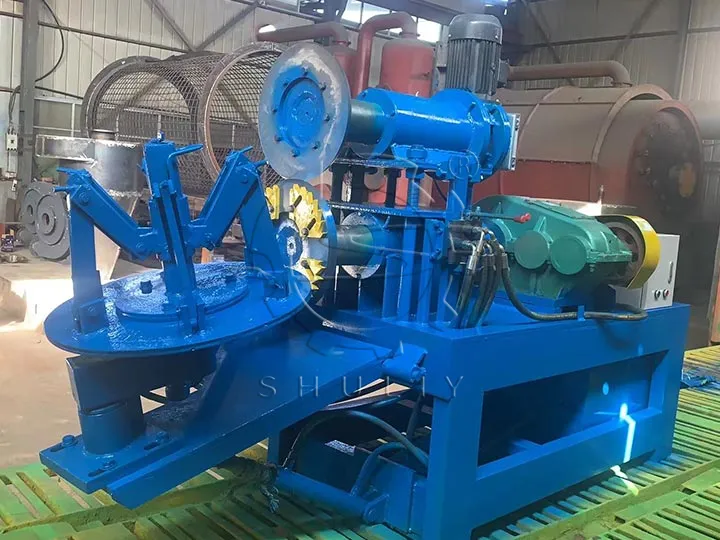
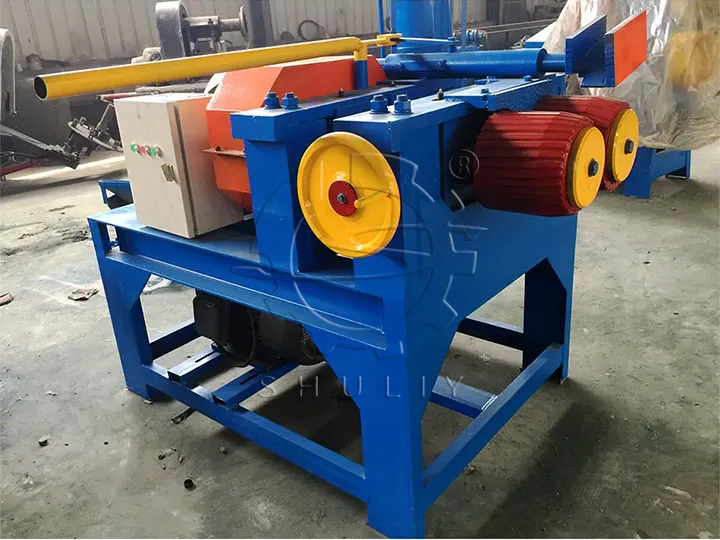
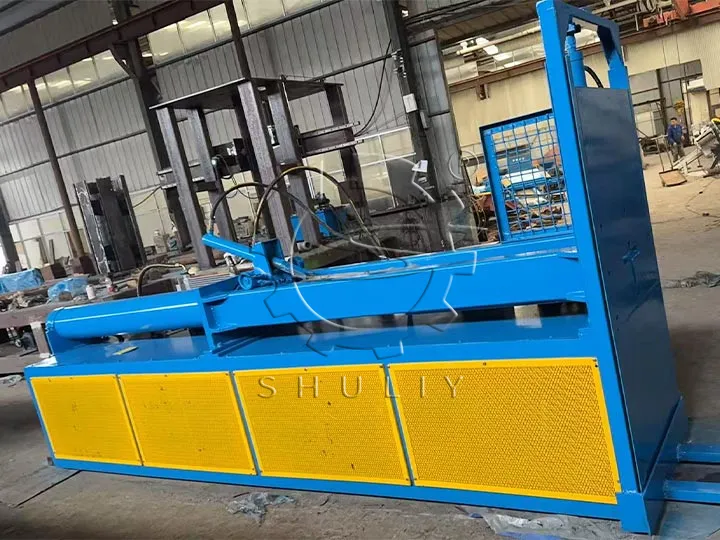
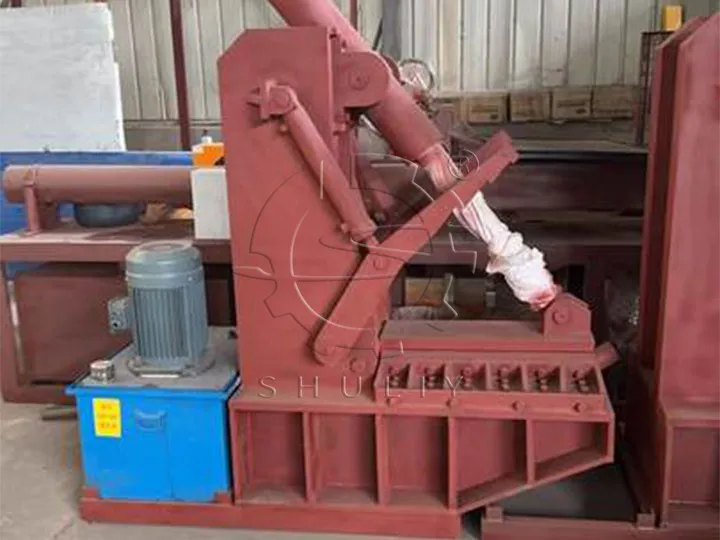
We offer multiple pre-treatment solutions based on different tire types and customer requirements. Available equipment includes:
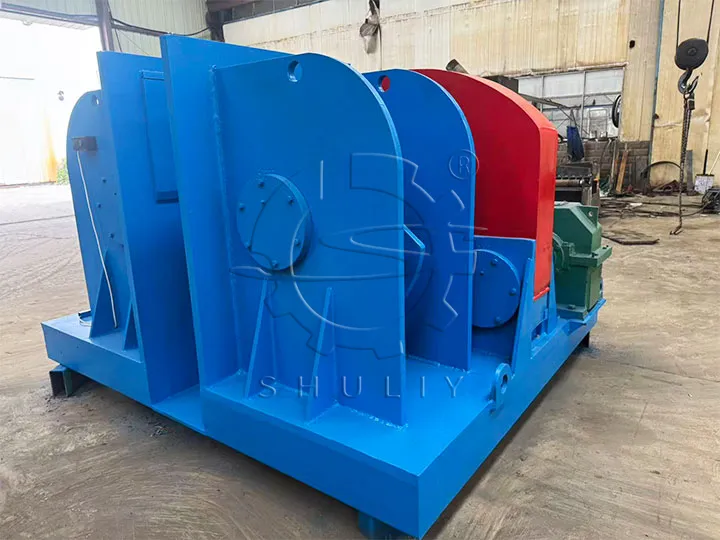
These tyre recycling machines help separate bead wires or cut whole tires into smaller pieces, reducing the workload on downstream equipment, improving overall efficiency, and extending blade service life.
After pre-treatment, whole tires or tire blocks enter the tire shredder , where they are shredded into smaller rubber pieces.
The dual-shaft design ensures stable processing of high-strength rubber materials and provides uniformly sized material for the grinding stage, significantly improving overall productivity.
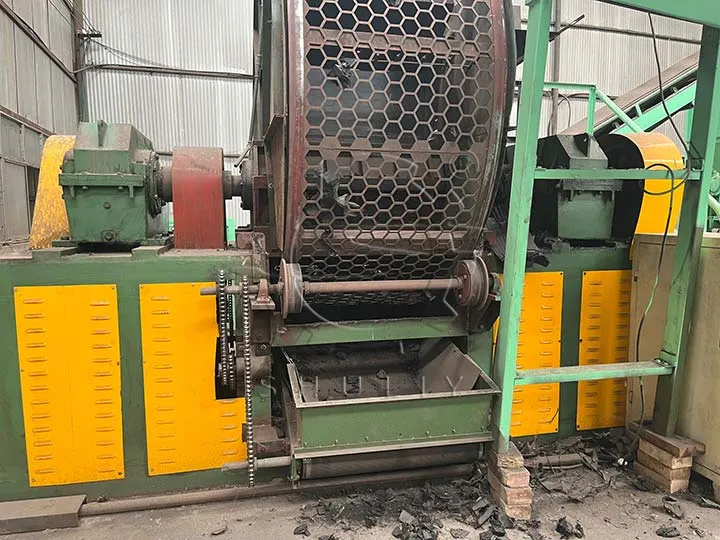
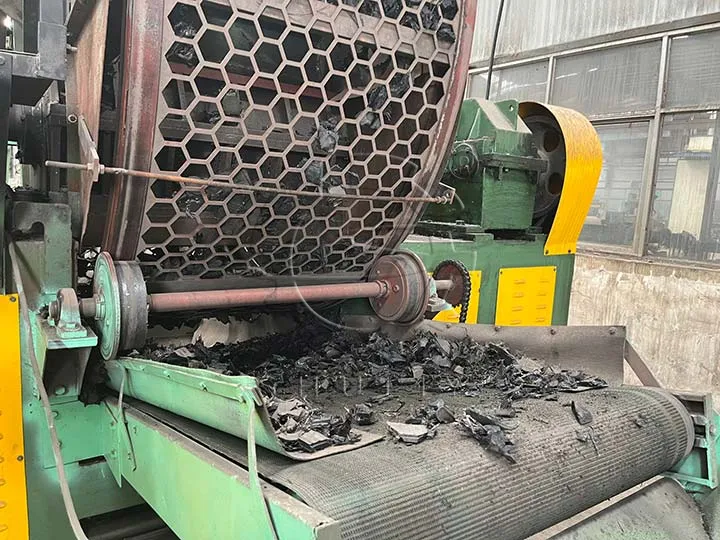
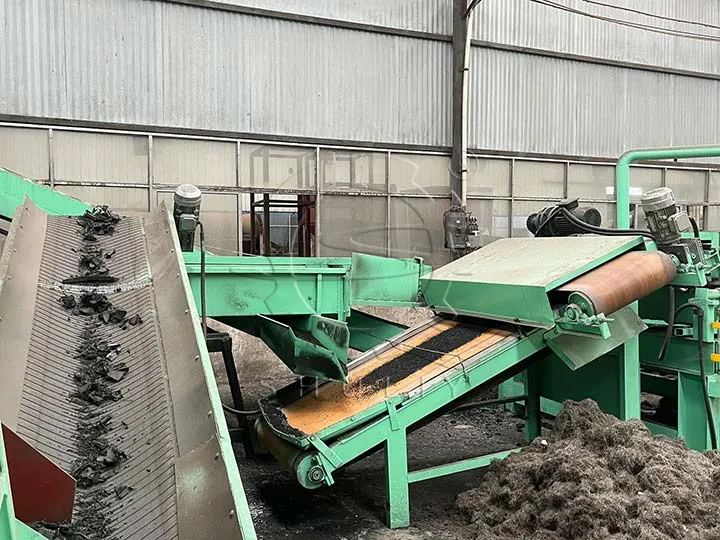
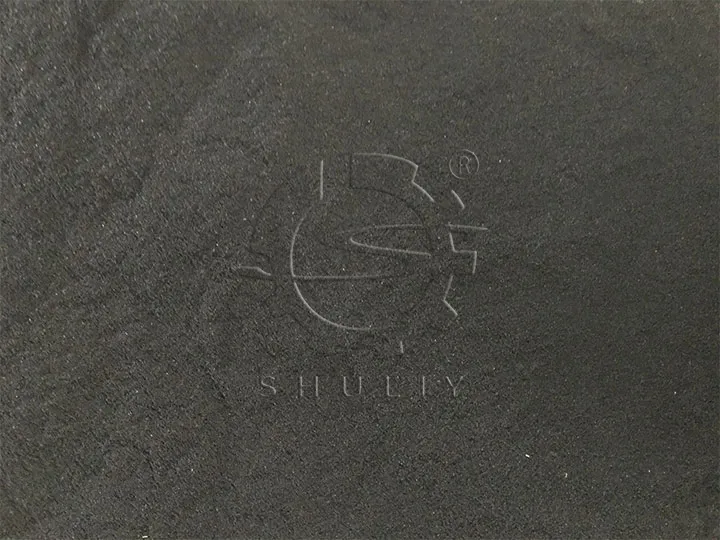
The rubber powder mill adopts a multi-stage crushing structure, gradually processing rubber blocks into 10–40 mesh rubber powder or even finer.
At the same time, a magnetic separation system removes fine steel wires, ensuring high-purity rubber powder and stable product quality suitable for high-end applications.
The final rubber powder can be widely used in:
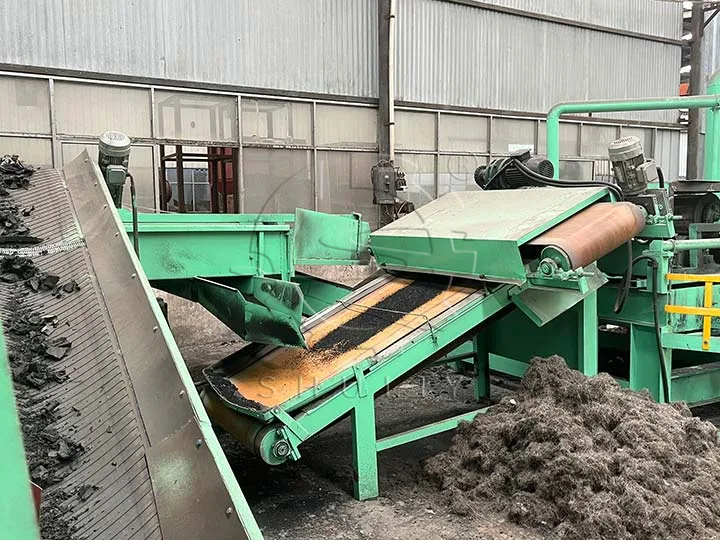
Based on local raw material costs and rubber powder market prices, the typical payback period is 6–12 months (actual results depend on specific market conditions).
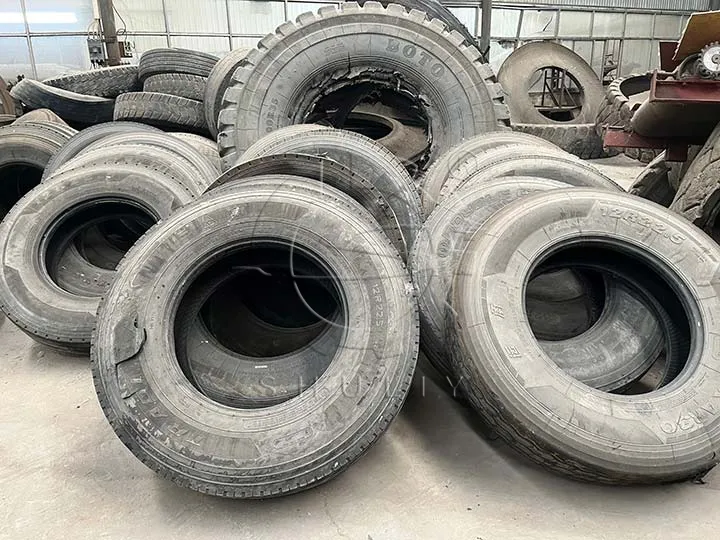
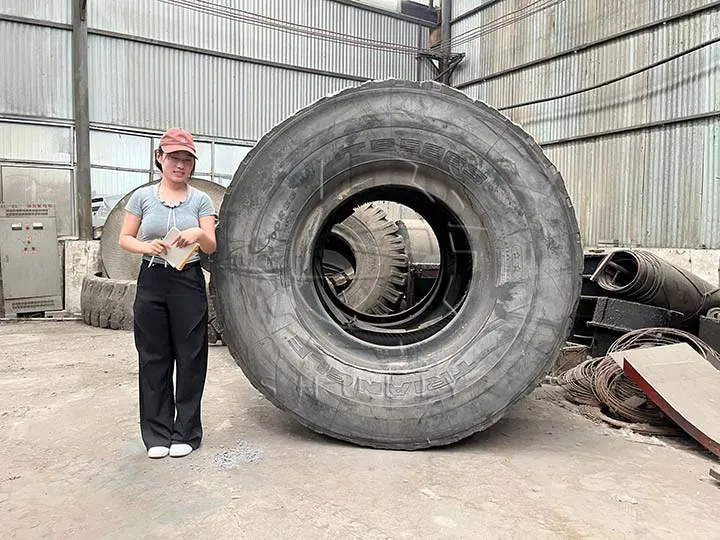
Our tyre recycling machine can process passenger car and truck tires up to 1200 mm in diameter.
We also provide specialized OTR (Off-The-Road) tire recycling equipment designed for large mining and engineering tires, meeting the needs of customers handling oversized tires.
Yes. By changing screens or adjusting the configuration, different mesh sizes of rubber powder can be produced to meet various market demands.
We do not simply supply a rubber powder machine — we deliver complete customized tire recycling solutions:
From project planning and equipment selection to installation, commissioning, and technical support, we provide full-process service to ensure smooth project implementation.
Waste tires are not a burden — they are a recyclable resource with significant economic value. With a properly designed tire recycling line, waste tires can be converted into high-value rubber powder, achieving both environmental sustainability and strong profitability.
If you are planning a tire recycling project, feel free to contact us. We will customize a professional, efficient, and stable tire recycling solution based on your raw materials and target products.